

As the frost begins to clear and the first signs of green appear across the Kentish countryside, homeowners often turn their attention to the upkeep of their properties. For those living in the historic towns of Tenterden, Cranbrook, or the coastal stretches of Hastings and Bexhill, maintaining a period property is a labor of love that requires a specific understanding of traditional materials.
One of the most critical aspects of maintaining these beautiful buildings is the care of the masonry. Traditional Kent brickwork and East Sussex brickwork were built using methods very different from modern construction. At the heart of this is lime mortar. While it might seem like a task that can be done at any time of year, there is a very specific “Goldilocks” window in the spring that makes it the absolute best time for repointing.
In this guide, we’ll explore why the timing of your brickwork maintenance matters so much and why the gentle climate of March, April, and May provides the perfect conditions for preserving the integrity of your home.
Understanding the Role of Lime Mortar
Before diving into the “when,” it is important to understand the “what.” Most homes built before the mid-20th century were constructed using lime-based mortars rather than the modern Portland cement we see today. Lime is a “breathable” material. It allows moisture to move freely through the joints and evaporate from the mortar rather than being trapped within the bricks.
When a heritage property is repointed with modern cement: which is much harder and less porous than the original brick: moisture becomes trapped. During the winter, this trapped water freezes, expands, and causes the face of the bricks to “spall” or pop off. This is why heritage and lime mortar construction is so vital for the longevity of older buildings.
Why Spring is the “Goldilocks” Zone
Lime mortar doesn’t “set” in the same way cement does; it “cures” through a process called carbonation, where it absorbs carbon dioxide from the air to harden. This process is highly sensitive to environmental conditions. If it’s too cold, the process stops; if it’s too hot, the water evaporates too quickly, leading to cracks and failure.
1. The Perfect Temperature Balance
For lime mortar to cure effectively, temperatures generally need to stay between 5°C and 18°C.
- The Risk of Frost: In the winter, the high moisture content in fresh lime mortar makes it incredibly susceptible to frost. If the water in the mortar freezes before it has cured, the structure of the mortar is destroyed, and it will simply crumble away come spring.
- The Risk of Heat: Conversely, the height of summer presents its own challenges. Strong, direct sunlight can “flash dry” the mortar. When the moisture leaves the mix too quickly, the carbonation process is interrupted, resulting in a weak, powdery joint that is prone to shrinkage cracks.
Spring provides that stable middle ground. The days are warming up, the risk of overnight deep frosts is diminishing, and the sun isn’t yet strong enough to bake the walls.
2. Manageable Humidity and Moisture
Lime mortar needs to stay damp to cure, but it shouldn’t be saturated. The typical British spring often brings a mix of light showers and overcast days. These conditions are actually ideal for brickwork and repointing. High humidity and lower levels of direct sunlight mean the mortar stays at the right moisture level for longer, allowing for a deep, even cure that will last for decades.
Protecting the Unique Character of Kent and Sussex Brickwork
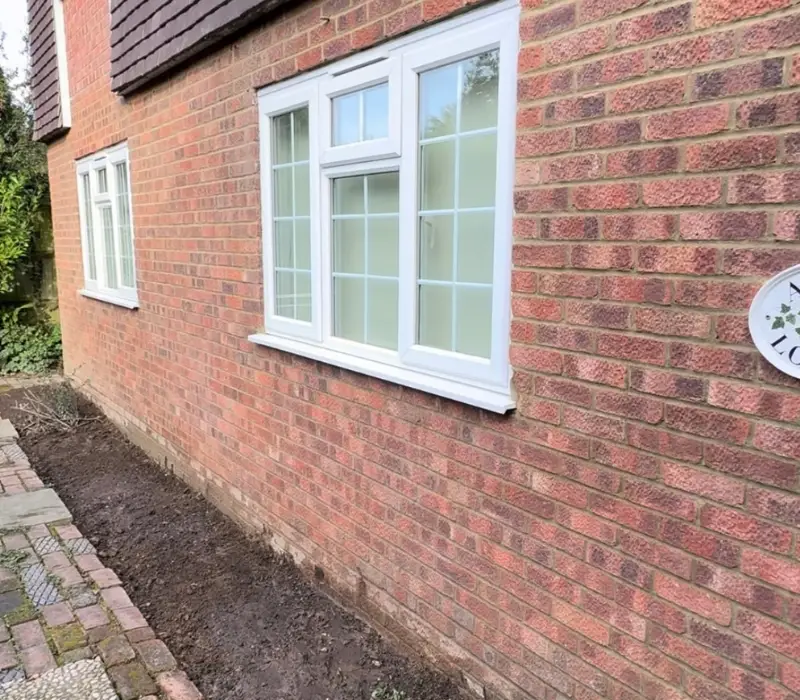
The South East of England is home to some of the most distinctive masonry styles in the UK. From the rich, orange-red “Wealden” bricks to the intricate Flemish bonds found in our historic town centres, the aesthetic of kent brickwork is world-renowned.
However, many of these local bricks are relatively soft. Using the wrong mortar: or applying it at the wrong time: can cause irreversible damage to the character of the building. When we undertake brickwork and repointing projects in the spring, we are able to take the time needed to match the aggregate and colour of the original mortar perfectly, ensuring that the repair is invisible and sympathetic to the original architecture.
Regional Considerations: Hastings and the Coast
For our clients in Hastings and Bexhill, the coastal environment adds another layer of complexity. Salt spray and high winds can be abrasive. Repointing in the spring allows the mortar to gain significant strength before the harsher autumn gales and salt-heavy winter air arrive. A well-executed spring repoint acts as a protective shield for the coming year.
The Dangers of “Quick Fix” Cement Repointing
We often see heritage properties where a previous owner has tried to save time or money by using modern cement for a quick patch-up. This is almost always a mistake. Because cement is non-porous, it forces all the moisture into the soft, historical bricks. Over time, this leads to:
- Spalling: The faces of the bricks crumbling away.
- Damp issues: Internal walls becoming damp because the building can no longer “breathe.”
- Structural decay: In extreme cases, the internal timber frame (if present) can begin to rot due to trapped moisture.
Spring is the time to assess these issues. If you notice your mortar is receding or you see white, salty deposits (efflorescence) on your bricks, it is a sign that your masonry needs attention.
What to Expect During a Spring Repointing Project
At Fortify Construction Ltd, we believe in a methodical, traditional approach. If you are considering repointing your home this season, here is what the process typically looks like:
- Assessment: We examine the type of brick and the condition of the existing mortar. We identify if previous cement repairs need to be carefully removed.
- Preparation: The old mortar is raked out by hand to a specific depth (usually twice the width of the joint) to ensure the new lime mortar has a good “key” to bond to.
- Mixing: We use high-quality lime (often NHL 3.5 or fat lime putty, depending on the building) mixed with locally sourced sands to match the original texture.
- Application: The mortar is pressed firmly into the joints. In the spring, we may use damp hessian sheets to cover the work, protecting it from any unexpected wind or light frost.
- Finishing: Once the mortar has reached a “leather-hard” state, it is finished with the appropriate joint style: be it a flush joint, a weather-struck joint, or a tucked joint: to match the heritage of the property.
Beyond Repointing: Total Masonry Care
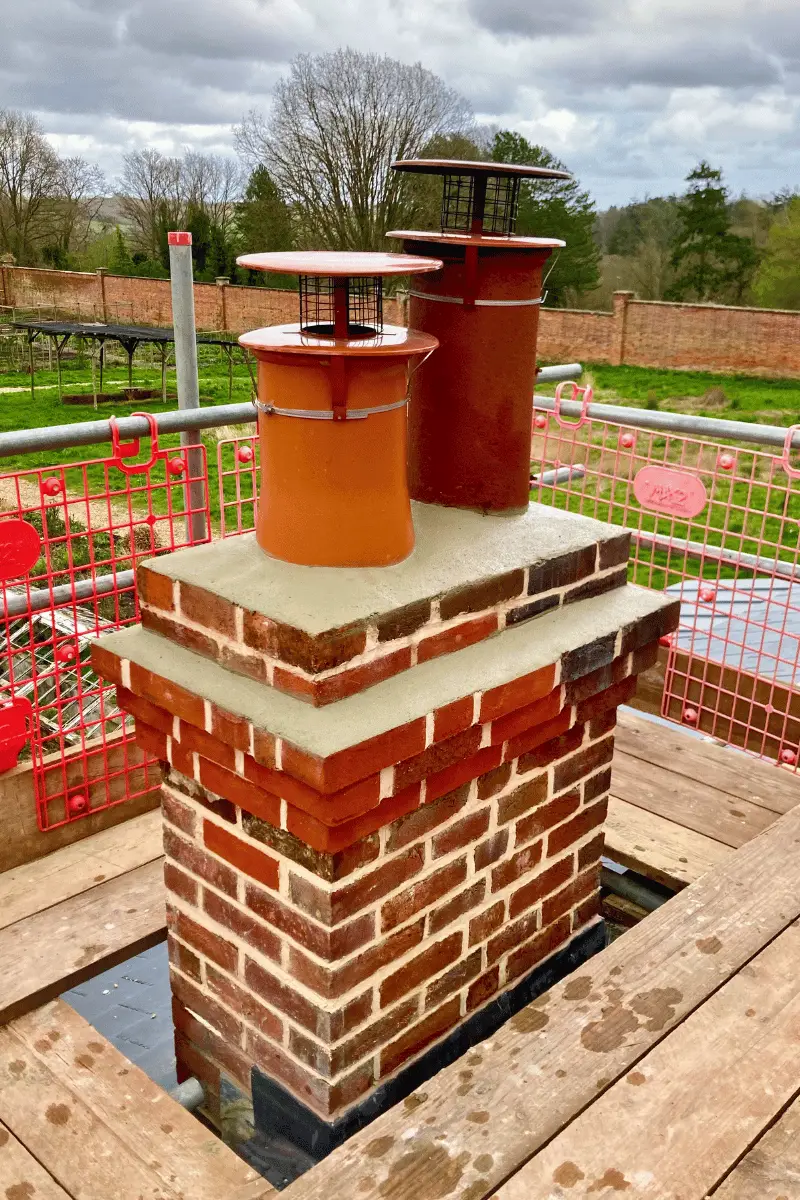
While repointing is the most common spring task, it’s also the perfect time to look at other high-level masonry. Chimneys, for instance, take the brunt of the winter weather. If you’ve noticed debris in your fireplace or visible cracks in the stack, a chimney rebuild or repair should be prioritized while the weather is mild.
The scaffolding required for repointing often provides a cost-effective opportunity to check gutters, leadwork, and carpentry and joinery around the eaves and windows.
A Long-Term Investment in Your Home
Repointing a heritage home with lime mortar is not just a cosmetic update; it is a vital act of preservation. By choosing to do this work in the spring, you are giving the materials the best possible chance to perform as they were intended.
A correctly pointed wall in Kent or Sussex will not only look beautiful but will actively work to keep your home dry and structurally sound for another 50 to 100 years. It is about working with the building, rather than against it.
How Fortify Construction Can Help
At Fortify Construction Ltd, we take immense pride in our craftsmanship. We understand the nuances of builders in Tenterden and the wider Kent area, focusing on quality over speed. Our team is experienced in the delicate art of lime mortar application and heritage restoration.
If you are concerned about the state of your brickwork after a long, wet winter, now is the time to act. Our spring schedule fills up quickly as homeowners recognize this “Goldilocks” window for masonry work.
Whether you have a small cottage that needs a few patches of repointing or a large period estate requiring a full restoration, we are here to provide expert, friendly advice. You can learn more about us and our commitment to traditional building techniques by exploring our services or viewing our previous work in our gallery.
Ready to protect your heritage home?
The weather is currently perfect for lime mortar work. Contact us today for a professional assessment of your property’s brickwork and ensure your home is ready for whatever the next winter may bring.