
Navigating Structural Works & Building Regulations in Kent and East Sussex Explained. If you’re planning to knock down a wall, install steel beams, or make any structural changes to your home, you’ve probably heard the terms “building control” and “planning permission” thrown about. But what do they actually mean? And more importantly, which one (or both) do you need?
Getting this right isn’t just about following the rules, it’s about protecting your investment, keeping your family safe, and avoiding costly mistakes that could come back to haunt you when you sell. Let’s break it all down in plain English.
Building Regulations vs Planning Permission: What’s the Difference?
Here’s where most homeowners get confused. Building regulations and planning permission are two completely separate things, managed by different departments, with different purposes.
Building regulations are all about safety and standards. They ensure your construction work is structurally sound, energy efficient, fire safe, and meets accessibility requirements. Think of them as the technical rulebook that governs how you build.
Planning permission is about the bigger picture, land use, how your changes affect the neighbourhood, and whether your project fits with local planning policies. It governs what you can build and where.
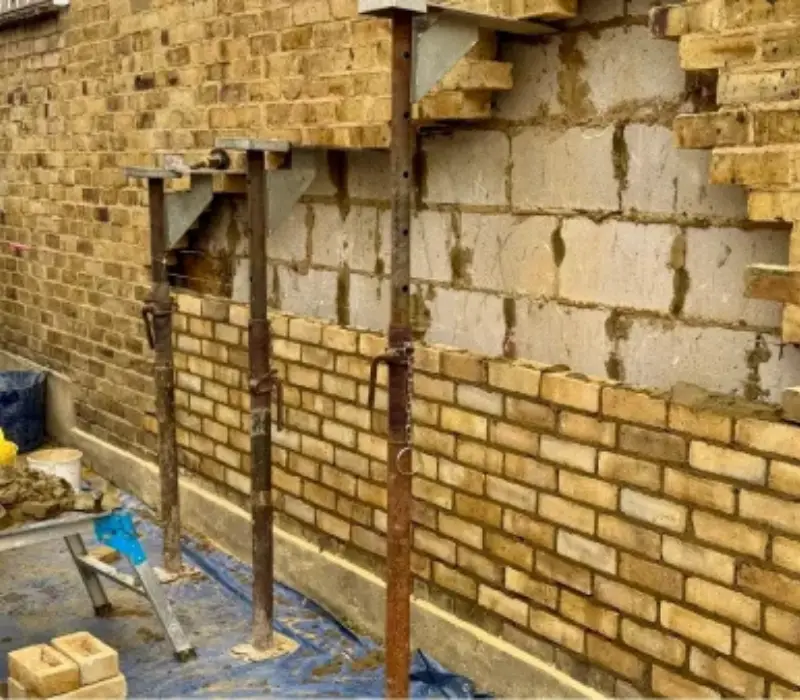
Here’s the key point: you might need one, both, or neither, depending on your specific project. For example, removing a load-bearing wall inside your home typically won’t need planning permission (because it doesn’t change the external appearance), but it will absolutely need building regulations approval because it affects the structural integrity of your property.
On the flip side, building a large extension might need both, planning permission because it changes your property’s footprint, and building regulations approval to ensure it’s built to standard.
When Do You Need Building Control Approval?
Almost all structural works require building regulations approval. This includes:
- Removing or altering load-bearing walls – Any time you’re taking out walls that support the structure above, you’ll need approval for the steel beam (RSJ) installation and structural calculations
- Underpinning or foundation work – Strengthening existing foundations or digging new ones must meet strict standards
- Loft conversions – Even though many don’t need planning permission, they need building control for structural alterations, fire safety, insulation, and staircase regulations
- Significant roof alterations – Changing the roof structure or adding substantial weight
- Installing new openings – Creating doorways or windows in structural walls
- Garage conversions – Converting a garage into living space requires compliance with insulation, ventilation, and structural standards
- Repairing structural damage – Fixing subsidence, movement issues, or major masonry repairs
The general rule is this: if your work affects the structural integrity, fire safety, energy efficiency, or accessibility of your building, you need building control approval.
The Building Control Application Process
In Kent, you have two options for building control:
Local Authority Building Control – You submit your application directly to your local council.
Approved Inspectors – These are private building control companies approved to carry out the same role as local authority building control.
Both routes lead to the same outcome, compliance certificates, so it’s really about personal preference and sometimes cost.
How to Apply
Applications are submitted through the Planning Portal, the government’s online planning and building control service. You’ll need:
- Detailed plans and drawings
- Structural calculations (for structural work)
- Specifications of materials and construction methods
- Application fee
For most straightforward projects like wall removal or RSJ installation, you’re looking at around 8 weeks for a decision on minor applications. More complex projects, or those in conservation areas, can take longer.
The Cardinal Rule: Never Start Without Approval
This is absolutely crucial: do not start work before you receive written approval. Beginning construction without approval can result in:
- Enforcement action requiring you to undo completed work
- Retrospective application fees (which are typically higher)
- Legal costs and potential prosecution
- Serious complications when selling your property
It’s simply not worth the risk. The few weeks you might save by jumping the gun could cost you months of hassle and thousands of pounds down the line.
Why Building Control Certificates Are Vital for Selling Your Home
Here’s something many homeowners don’t realise until it’s too late: building control certificates can make or break a house sale.
When you sell your property, your solicitor will need to provide proof that any structural work was completed with proper approval. If you can’t produce valid building control certificates, several things can happen:
Buyers may pull out – Most mortgage lenders won’t lend on a property with uncertified structural work, which means your buyer pool shrinks dramatically.
You’ll need a retrospective certificate – If the work can be inspected, you may be able to apply for a regularisation certificate. This involves hiring a structural engineer to assess the work, potentially opening up walls or floors for inspection, and paying higher fees. If the work doesn’t meet current standards, you might need to make costly alterations.
Indemnity insurance – If retrospective certification isn’t possible, you might need indemnity insurance. This doesn’t confirm the work is safe or compliant, it just protects against enforcement action. Many buyers are (understandably) reluctant to proceed on this basis.
Price reduction – Even with insurance, buyers will often negotiate a significant price reduction to offset the risk and hassle.
The certificates themselves are straightforward documents issued once your building control inspector is satisfied the work meets regulations. They’re your proof that everything was done properly, and they protect your property value.
How Fortify Construction Works to Ensure Compliance
At Fortify Construction, we’ve been working on structural projects across Kent and East Sussex for years. We know that navigating building control can feel overwhelming, which is why we handle it as part of our service.
Here’s how we work:
1. Initial Assessment
Before we quote any structural work, we assess whether building control approval will be needed. We’ll also flag if planning permission might be required, though you’ll need to check with your local planning authority to be certain.
2. Partnering with Structural Engineers
For projects involving load-bearing walls, RSJs, or foundation work, we work alongside qualified structural engineers who produce the necessary calculations. These calculations form a key part of your building control application and ensure the work is designed to be safe and compliant.
3. Managing the Application
While you’re technically the applicant, we guide you through the process, help coordinate the paperwork, and ensure all the required information is submitted correctly. We’ve done this countless times, so we know exactly what building control need to see.
4. On-Site Inspections
Building control will visit your property at key stages, typically before work starts, when steelwork is installed, and upon completion. We coordinate these visits, ensure we’re at the right stage when they arrive, and address any questions or concerns on the spot.
5. Final Certification
Once all inspections are complete and building control are satisfied, you’ll receive your completion certificate. We make sure you get this certificate and keep it somewhere safe, you’ll need it when you sell.
Common Questions Homeowners Ask
Do I need an architect?
Not always. For straightforward structural work like removing a single wall, a structural engineer’s calculations are usually sufficient. For larger renovations and extensions, an architect can be helpful for design and managing the whole project.
How much does building control cost?
Fees vary depending on the scale of work, but for a typical internal wall removal, you’re looking at a few hundred pounds. This is money well spent for the peace of mind and protection it provides.
What if my neighbour did similar work without approval?
Unfortunately, that doesn’t give you permission to do the same. Each property owner is responsible for their own compliance, and enforcement can happen years after work is completed.
Can work be done without opening the wall up afterwards?
Yes, this is why inspections happen during construction. Building control need to see structural work (like RSJ installation) before it’s hidden behind plasterboard. Timing inspections properly is crucial.
Taking the Next Step
Understanding building control doesn’t need to be complicated. The key takeaways are:
- Building regulations and planning permission are separate requirements
- Almost all structural work needs building control approval
- Never start work without written approval
- Keep your certificates safe: you’ll need them when selling
- Working with experienced professionals makes the process straightforward
If you’re planning structural work on your Kent home and want guidance on compliance, our team at Fortify Construction is here to help. We’ll ensure your project is done properly, safely, and with all the right paperwork in place.
Get in touch with us today through our Contact page, and let’s discuss your project. We’ll give you honest advice about what approvals you need and how we can help you navigate the process smoothly.