Signs Your Chimney Needs Repair: A Comprehensive Guide
For many homeowners in Kent and East Sussex, the chimney is a defining feature of the property. It adds character, provides a functional outlet for a cozy fire, and stands tall against the elements. However, because it is perched high above our daily eye level, it is often one of the most neglected parts of a home.
A chimney is constantly exposed to the harsh British weather: from driving rain and freezing temperatures to the intense heat of the flue. Over time, even the most robust brickwork can begin to show signs of fatigue. Identifying these warning signs early can be the difference between a simple maintenance task and a costly structural rebuild.
In this guide, we will explore the common indicators that your chimney requires professional attention. By understanding what to look for, you can protect your home’s structural integrity and ensure your fireplace remains a safe, warm heart of your household.
1. Cracked or Deteriorating Mortar Joints
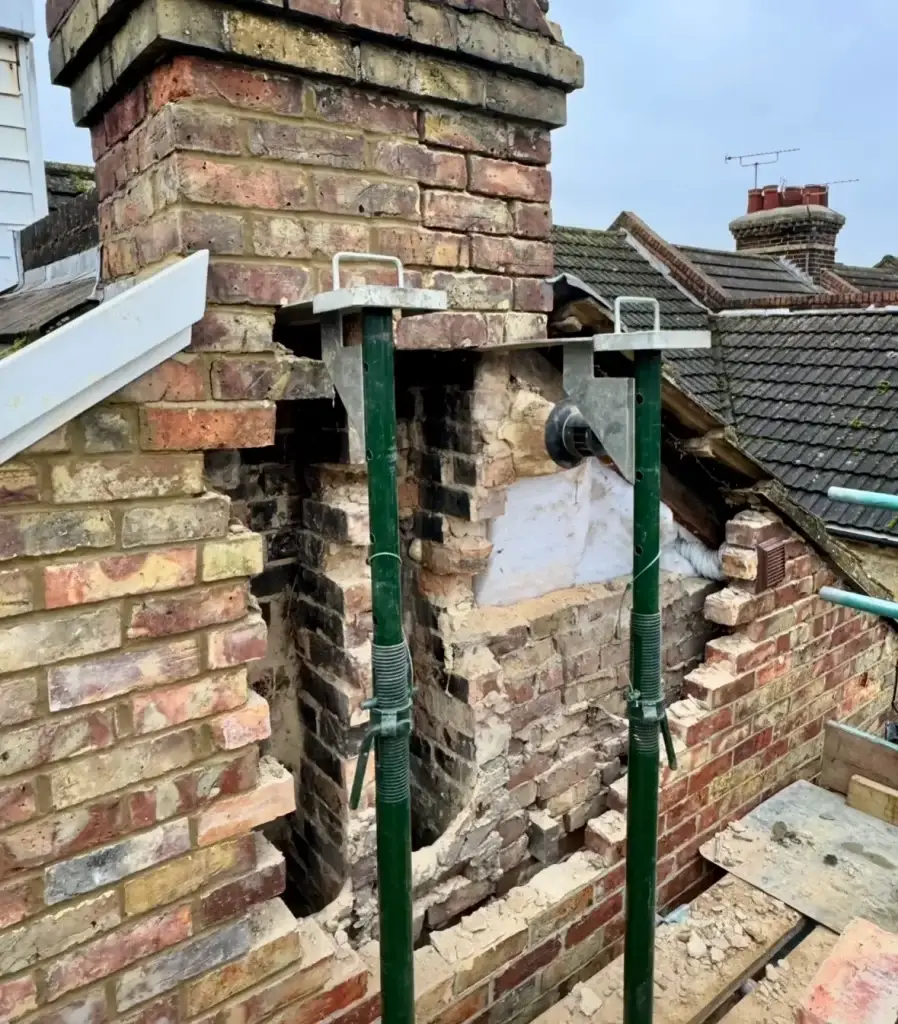
The mortar between your bricks acts as both a glue and a cushion. It holds the structure together while allowing for slight movements caused by temperature changes. When mortar begins to fail, it is often the first sign that your chimney is vulnerable.
What to Look For
If you take a look at your chimney (perhaps using a pair of binoculars from the garden), pay close attention to the lines between the bricks. You are looking for:
- Deep Cracks: Vertical or horizontal gaps where the mortar has pulled away from the brick.
- Crumbling Texture: Mortar that looks sandy or flakes off easily when touched.
- Missing Sections: Entire chunks of mortar that have fallen out, leaving the edges of the bricks exposed.
Why It Matters
When mortar joints deteriorate, they create pathways for water to enter the interior of the chimney stack. Once moisture is inside, it can freeze and expand, putting immense pressure on the bricks themselves. If left unaddressed, this can lead to a “loose” chimney that is susceptible to wind damage or even collapse. Regular maintenance, such as professional repointing and chimney repair, can seal these gaps and extend the life of your masonry by decades.
2. Spalling Bricks: When the Surface Flakes Away
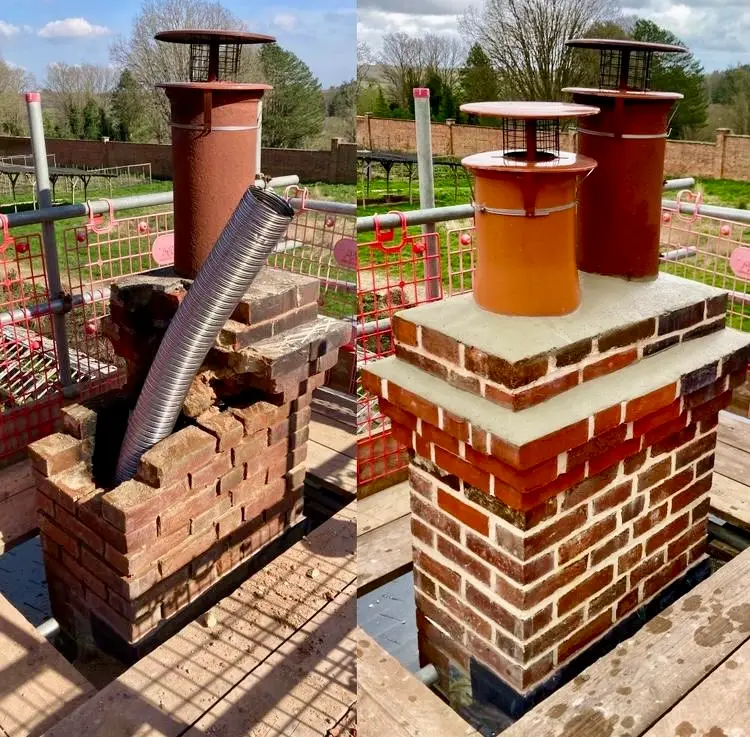
“Spalling” is a technical term for a relatively simple but serious problem: the surface of the brick is literally popping or flaking off. This usually happens when moisture gets trapped inside the porous material of the brick and then freezes.
Identifying the Damage
You can spot spalling quite easily from the ground or roof level. Look for:
- Chipping and Flaking: The “face” of the brick looks like it is peeling away.
- Debris: You might find small red chips or shards of brick on your roof or in your gutters.
- Pitted Surfaces: Bricks that look rough or uneven compared to the smooth finish of the surrounding masonry.
The Consequences
Spalling is more than just an aesthetic issue. Once the hard outer layer of a brick is lost, the softer interior is exposed to the elements, causing the brick to disintegrate much faster. This weakens the entire stack and can lead to water leaking into your attic or living spaces. If you notice more than a few bricks starting to flake, it’s a clear signal that the moisture barrier of your chimney has failed.
3. Efflorescence: The White Salt Mystery
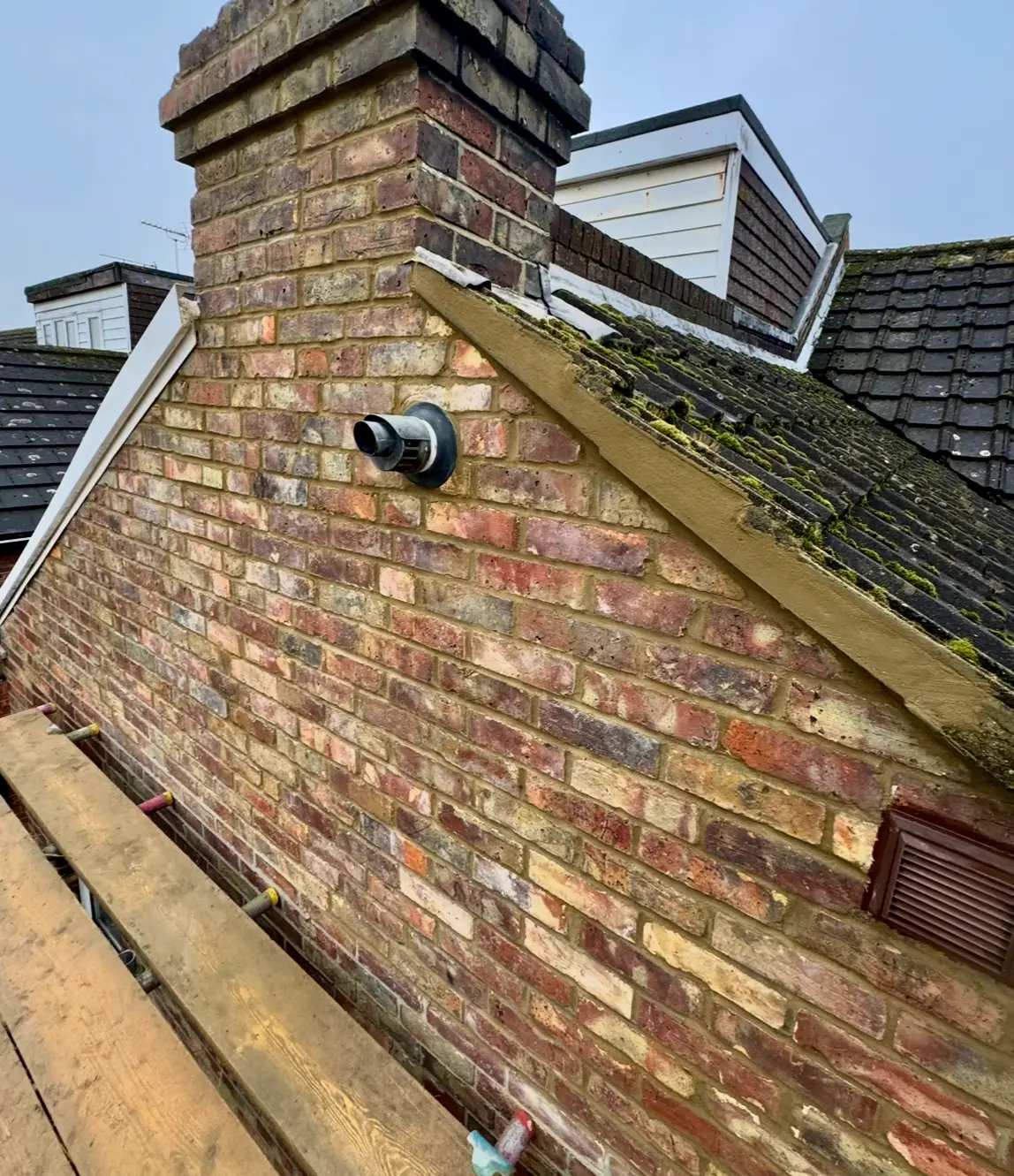
Have you ever noticed a white, powdery or chalky substance on your chimney’s exterior? This is known as efflorescence. While it might look like a simple stain, it is actually a diagnostic sign of how water is moving through your home.
How to Spot It
Efflorescence typically appears as:
- White Streaks: Long, pale stains running down the side of the chimney.
- Chalky Patches: Powdery spots that can often be wiped away but tend to return after a rainstorm.
The Underlying Issue
The white powder is actually salt. As water travels through the bricks, it dissolves natural salts within the masonry. When that water evaporates on the surface, it leaves the salt behind. While the salt itself isn’t damaging, its presence is a “smoking gun” for moisture intrusion. It tells us that your chimney is absorbing too much water, which will eventually lead to the more serious problems mentioned above, like spalling and mortar rot.
4. Chimney Crown and Cap Damage
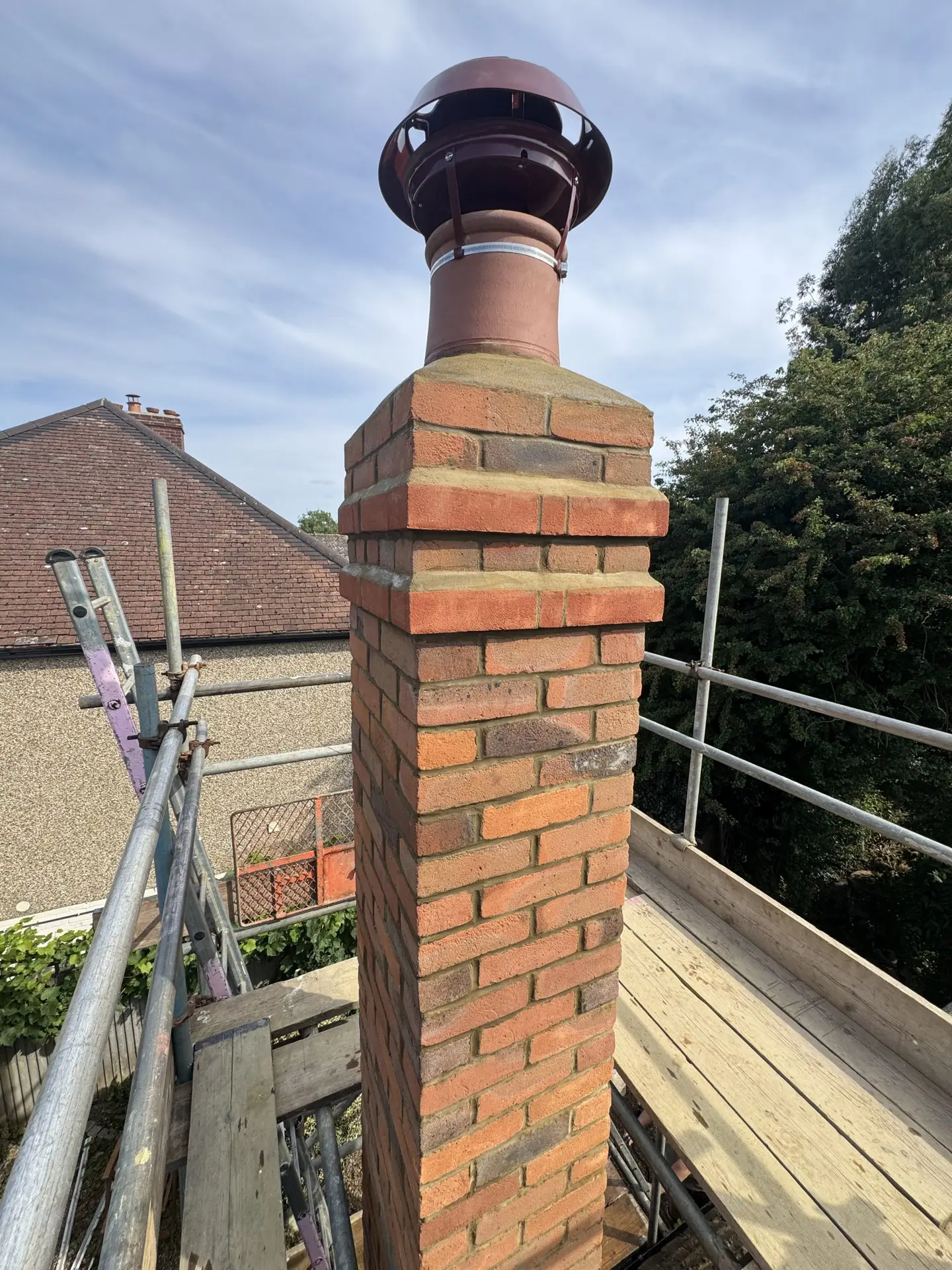
The chimney crown is the concrete slab that covers the top of the chimney stack. Its job is to act as a roof for the bricks, shedding water away from the flue and down to the gutters. Because it is the most exposed part of the structure, it often bears the brunt of the weather.
Signs of Crown Failure
Cracks in the crown are a major red flag. Even a hairline fracture can allow water to seep directly down into the middle of the chimney stack, where it can cause hidden damage to the liner and the interior bricks.
Additionally, you should check for a missing or damaged chimney cap. The cap is the metal or mesh cover that sits over the flue opening. If it’s missing, you are essentially leaving a giant straw open for rain, snow, and even nesting birds to enter your home.
5. Internal Warning Signs
Sometimes, the best clues that your chimney needs repair aren’t found on the roof, but inside your home.
- Damp Patches: If you notice staining on the ceiling or walls around your fireplace, it’s a strong sign that water is bypassing your chimney’s exterior defenses.
- Rust in the Firebox: If the metal damper or the fireplace grate is starting to rust, moisture is clearly making its way down the flue.
- Shaling: If you find thin, wafer-like slices of tile in the bottom of your fireplace, this is “shaling.” It indicates that your chimney liner is deteriorating and needs an urgent inspection for safety.
6. Structural Movement or Leaning
In extreme cases, a chimney may actually begin to lean away from the house or show a visible bulge. This is a critical safety issue.
Movement is usually caused by a combination of foundation settlement and long-term water damage that has hollowed out the internal mortar. If you can see a gap between the chimney and the siding of your house, or if the stack looks “out of plumb” (not perfectly vertical), you should seek professional advice immediately. A leaning chimney is an unstable chimney, and it poses a significant risk to your family and your property.
Seeking Professional Support
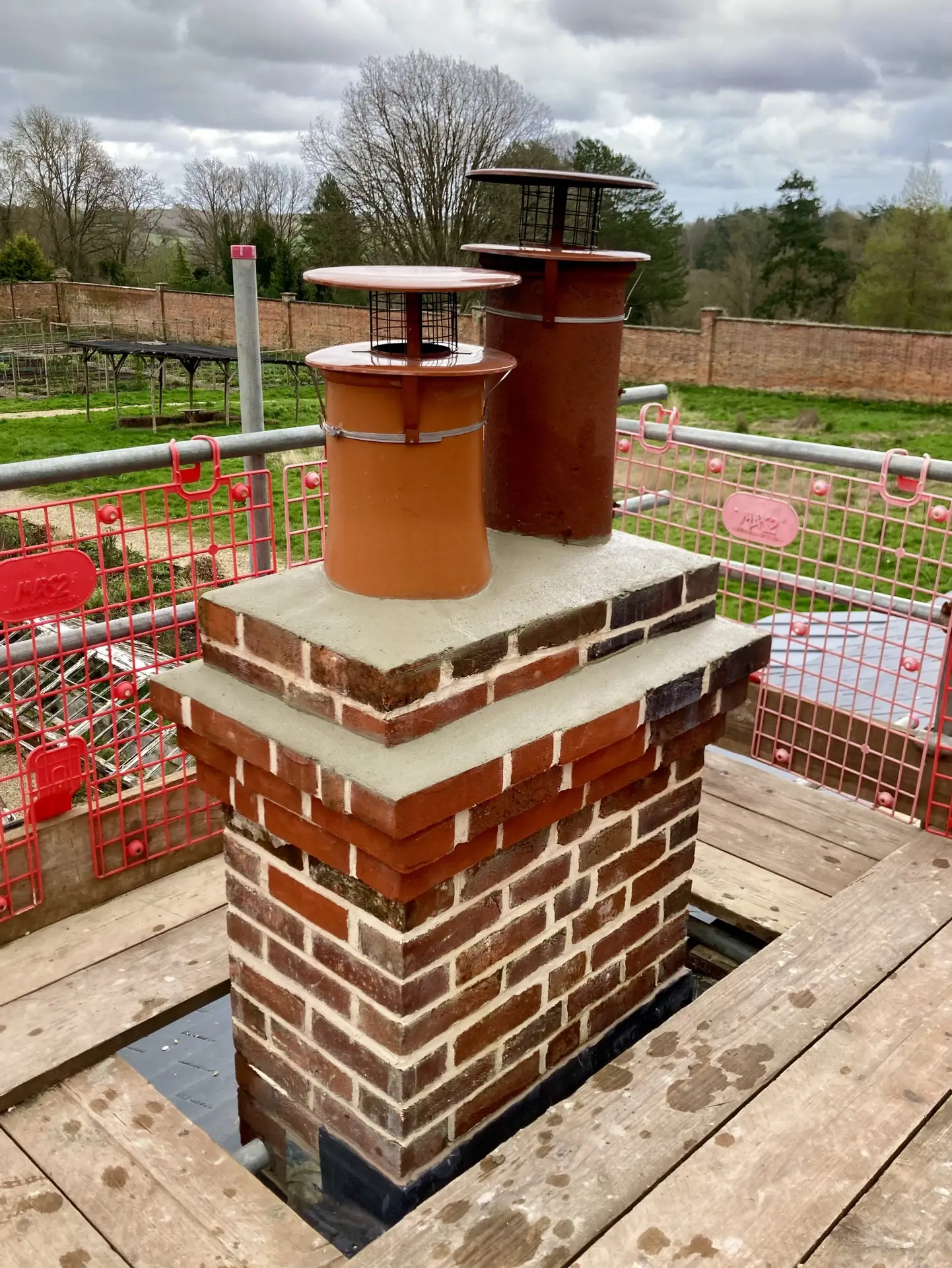
Maintaining a chimney is a specialized task that requires a blend of traditional masonry skills and modern safety standards. At Fortify Construction Ltd, we believe in a proactive approach. Catching a few cracked mortar joints now can prevent the need for a full chimney rebuild in five years.
Whether you have noticed a few flakes of brick in your gutter or you’re concerned about white staining on your stack, we are here to help. Our team provides expert brickwork and restoration services across Kent and East Sussex, ensuring your home remains beautiful, dry, and safe.
Final Thoughts for Homeowners
Your chimney is your home’s first line of defense against the elements. By taking ten minutes a few times a year to walk around your property and look for these signs, you can stay ahead of the weather. If you’re unsure about what you’re seeing, don’t hesitate to reach out. A professional eye can provide the peace of mind that your home is ready for whatever the British seasons have in store.
Contact us today to discuss your chimney or brickwork needs: we’re always happy to offer friendly, expert advice tailored to your unique home.