Understanding the Importance of Structural Integrity in Construction.
When we think about our dream home, we often imagine the finish: the sleek kitchen worktops, the sun-drenched bifold doors leading to a porcelain patio, or the perfect shade of paint in the hallway. However, beneath those beautiful finishes lies the most critical element of any building project: its structural integrity.
Structural integrity is the “invisible hero” of your home. It is what allows a building to remain upright, safe, and stable under the pressures of weight, weather, and time. Whether you are planning a simple renovation or a large-scale home extension, understanding why the structure matters is the first step toward a successful and stress-free project.
In this guide, we will explore why structural integrity is the foundation of a lasting home, how it protects your family, and why professional oversight is non-negotiable when it comes to the “bones” of your property.
What Exactly is Structural Integrity?
In the simplest terms, structural integrity is a building’s ability to hold itself up. It means that every component: from the foundations deep in the ground to the rafters on the roof: is working together to support the “loads” placed upon them.
These loads include:
- Dead Loads: The weight of the building materials themselves, such as bricks, timber, and roofing tiles.
- Live Loads: The weight of people, furniture, and appliances inside the home.
- Environmental Loads: External forces like high winds, heavy snowfall, and even the natural movement of the soil.
When a building has high structural integrity, it can handle these forces without cracking, shifting, or failing. It provides the peace of mind that your home isn’t just a beautiful space, but a fortress for your family.
The Foundation of Safety
The most obvious reason to prioritise structural integrity is safety. A house is more than just a shelter; it is where your family grows, plays, and rests. If the structural work is compromised, the safety of everyone inside is at risk.
Structural failure doesn’t always happen all at once. It can be a slow process: a sagging floor here, a sticking door there: but these are signs that the building is struggling to support its own weight. In extreme cases, poor structural work can lead to partial collapses, which are not only devastating but also entirely preventable with the right expertise.
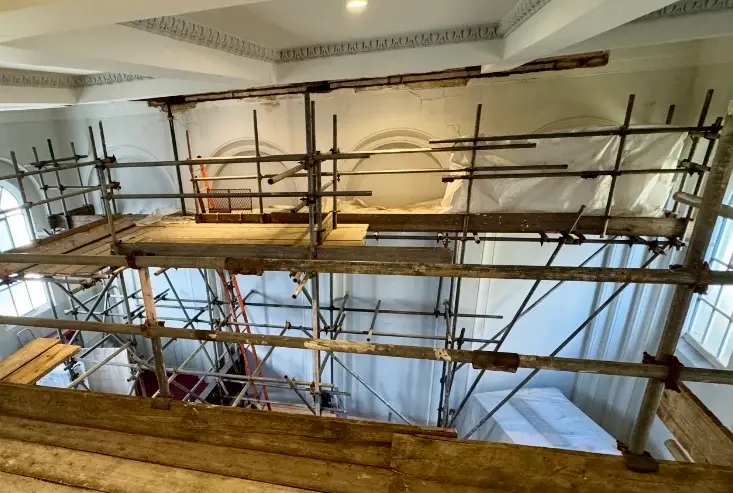
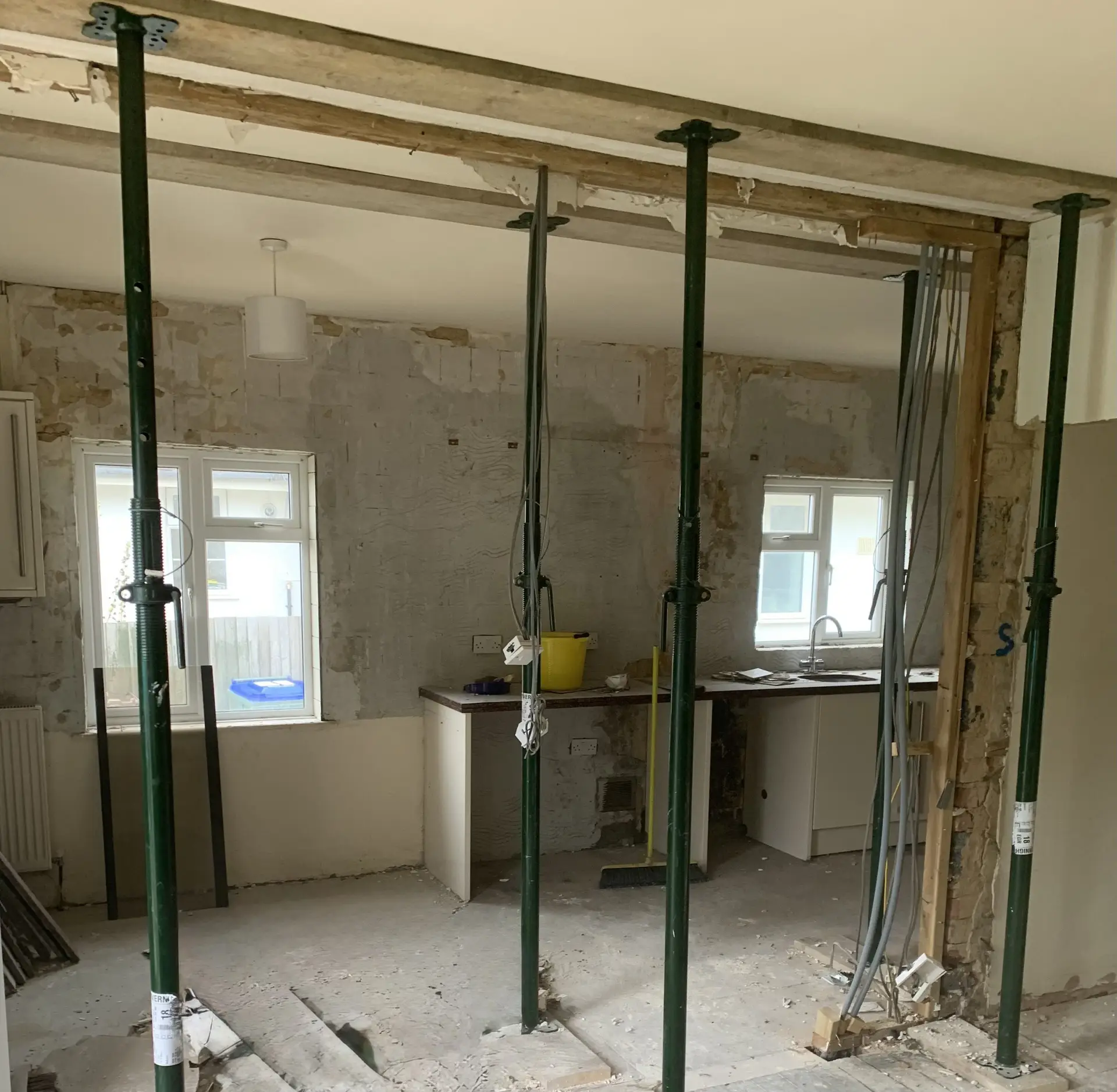
When we carry out renovations and extensions, our primary focus is ensuring that the new additions integrate seamlessly with the existing structure. This often involves the installation of steel beams (known as RSJs) to support the weight of the house when walls are moved or removed. Ensuring these are calculated correctly by a structural engineer and installed with precision is the difference between a safe home and a dangerous one.
Protecting Your Financial Investment
For most of us, our home is the largest financial investment we will ever make. It makes sense, then, to protect that investment from the inside out. A home built with a focus on structural integrity is a home that holds its value over time.
When the time comes to sell your property, a surveyor will look far beyond the fresh paint and modern decor. They will look for signs of structural health. Houses with documented structural work, solid foundations, and no signs of movement are much easier to sell and often command a higher price.
Conversely, if a survey reveals structural issues: such as “spalling” brickwork or foundation settlement: it can lead to a significant drop in the property’s value or even cause a sale to fall through entirely. By investing in quality structural work from the start, you are essentially “future-proofing” your asset.
Preventing Costly Future Repairs
It is a common misconception that cutting corners on structural elements can save money in a building budget. In reality, the opposite is true. Poorly executed structural work is one of the most expensive mistakes a homeowner can make.
If a foundation is not dug to the correct depth or if a load-bearing wall is removed without the proper support, the resulting damage can be astronomical to fix. You might see:
- Large cracks appearing in masonry.
- Roof leaks caused by shifting timbers.
- Sloping floors that require complete reconstruction.
Fixing these issues after the “finish” has been applied: such as plastering, tiling, and flooring: means you end up paying twice. Once for the original (failed) work and once to strip everything back and do it properly. Doing it right the first time is always the most cost-effective path.
Resilience Against the Elements
In Kent and East Sussex, our homes have to deal with a variety of weather conditions: from heavy winter rains to summer heatwaves. These changes in temperature and moisture can cause the ground to expand and contract.
A structurally sound home is designed to be resilient. It has the “flex” and strength to handle these natural changes without suffering damage. This is why groundworks are so vital. Proper drainage and foundation stability ensure that water is moved away from the structure, preventing the ground from becoming waterlogged and unstable.
Structural integrity also includes the “envelope” of the building. This means the walls and roof are correctly tied together to resist wind pressure. In older heritage properties, using the right materials: such as lime mortar: allows the building to “breathe” and move naturally, preserving its integrity for centuries rather than decades.
Signs Your Home May Need Structural Attention
While many structural elements are hidden behind walls, your home will often try to tell you if something is wrong. As a homeowner, it’s helpful to keep an eye out for these common indicators:
- Horizontal or Diagonal Cracks: Small hairline cracks are common in new plaster, but deep, wide, or jagged cracks in the external brickwork can signal movement.
- Sticking Doors and Windows: If doors suddenly become difficult to close or windows seem jammed in their frames, the structure may have shifted slightly.
- Uneven Floors: If you notice a slope in a floor that wasn’t there before, or if floorboards feel “spongy,” it could indicate an issue with the joists or foundations.
- Gaps Between Walls and Ceilings: Visible gaps where the wall meets the ceiling can be a sign of “settlement” or roof spread.
If you notice any of these signs, it’s important not to panic. Many structural issues can be corrected easily if caught early. The best course of action is to seek a professional assessment to understand the cause and the solution.
The Role of Professional Expertise
Structural work is not the place for DIY. It requires a deep understanding of physics, material science, and local building regulations. At Fortify Construction Ltd, we believe that the best projects are those where the homeowner feels confident and supported throughout the build.
This process usually begins with a structural engineer who provides the necessary calculations for things like steel beams or foundation depths. From there, it is the job of the builder to execute those plans with total precision.
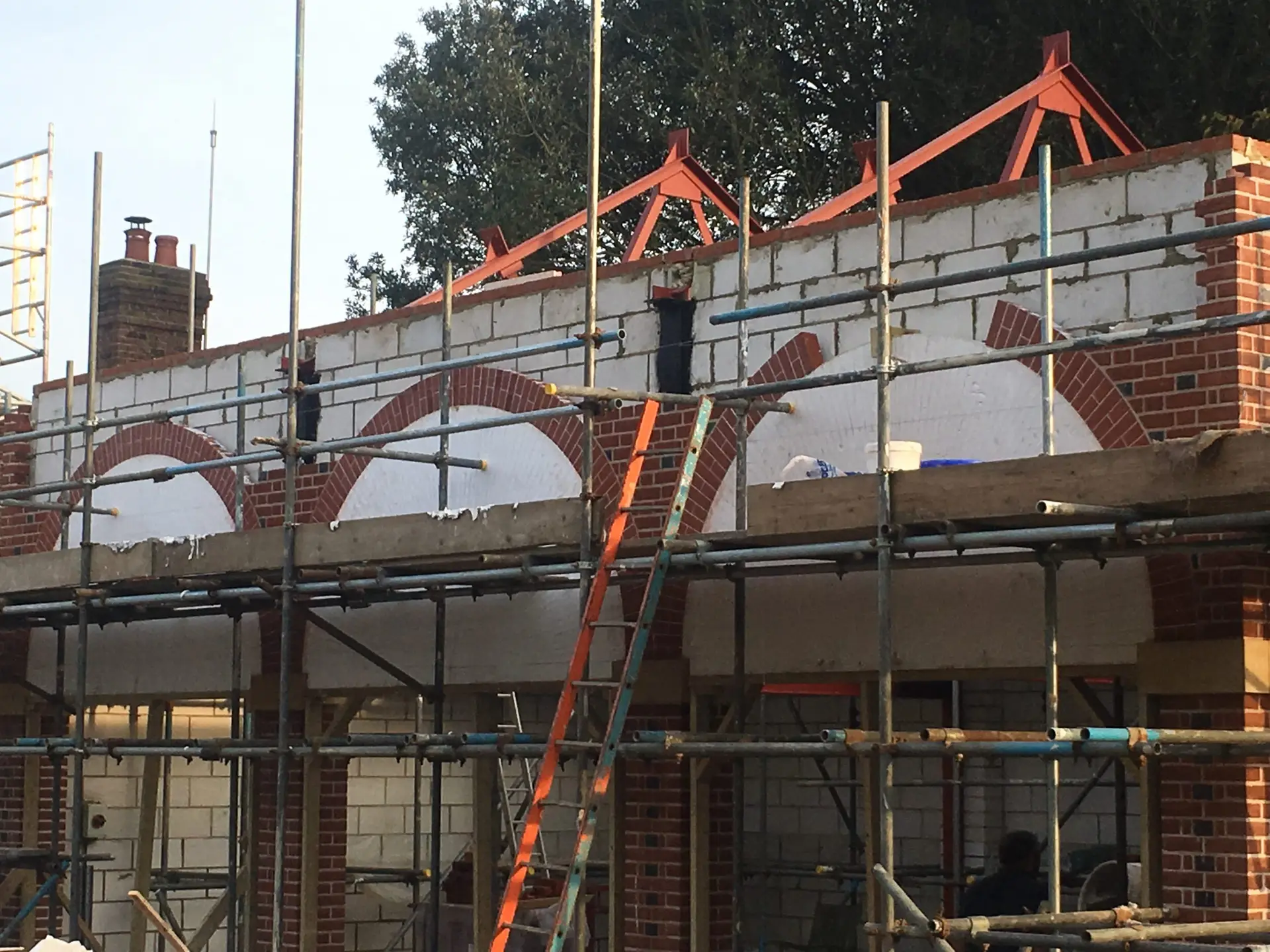
Whether we are rebuilding a chimney, adding a new wing to a house, or carrying out essential groundworks, we prioritise precision and longevity. We use high-quality materials and time-tested techniques to ensure that the work we do today will still be standing strong for the next generation of homeowners.
Creating a Legacy of Quality
When we talk about structural integrity, we are really talking about the legacy of your home. A well-built structure provides more than just safety; it provides a sense of permanence and peace of mind.
Imagine your home twenty or thirty years from now. By focusing on the “bones” of the building today, you are ensuring that it remains a place of relaxation, entertainment, and family life for many years to come.
If you are considering a renovation or are concerned about the structural health of your property, we are here to help. Our team provides expert guidance and craftsmanship to ensure your project is built on a foundation of trust and quality.
Final Thoughts
Understanding structural integrity helps you make informed decisions about your home. It moves the focus from what looks good to what is good. By prioritising the strength and stability of your building, you are making the smartest possible choice for your family’s safety and your financial future.
If you’re ready to start your next project with a team that values quality as much as you do, feel free to contact us today for professional advice and services.