

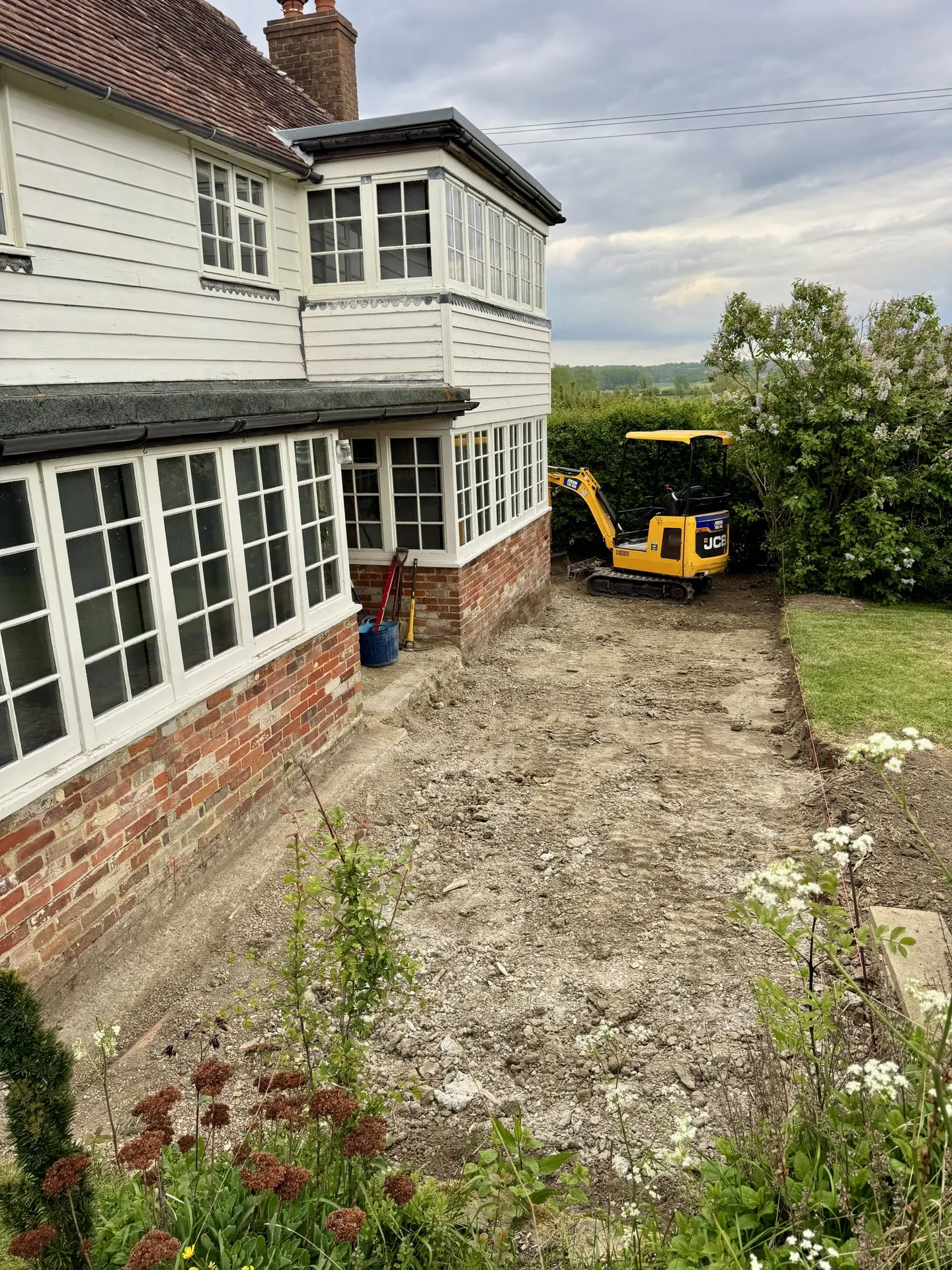
Planning a spring extension? why Autumn is the time to start. Many homeowners picture their new kitchen extension or garden room being built in the spring and ready to enjoy by summer. It is a good plan, but the building work is only the last step. Designs, planning, neighbours and building regulations all need to be sorted first, and each one takes time. If you want builders on site in March or April, the paperwork should really be moving now.
Here is a simple timeline for homeowners in Kent and East Sussex, and why a little planning this autumn can save months of waiting next year.
Step 1: Decide what you want and get early advice (October)
Start with a clear brief: how much space you need, how you will use it and your rough budget. An early site visit from a builder can flag issues that affect cost and design, such as drainage runs, trees near the footings, ground conditions or access for machinery. Our renovations and extensions team is happy to talk through ideas at this stage.
Step 2: Drawings and design (October to November)
An architect or designer turns your ideas into drawings. These are needed for any planning application and, later, for building regulations approval and accurate quotes. Allow a few weeks, depending on how busy they are.
Step 3: Planning permission or permitted development (November to January)
Many single-storey rear extensions can be built under permitted development rights, which means you do not need a full planning application, as long as you stay within size and design limits. The Planning Portal’s guide to extensions sets out the rules.
These rights do not apply to flats and maisonettes, and they are often restricted in conservation areas, which are common in towns such as Tenterden, Rye and Battle and in Hastings Old Town. If you do need permission, councils aim to decide most householder applications within eight weeks of receiving a valid application. Check your local council’s planning pages, for example Ashford Borough Council (which covers Tenterden) or Rother District Council.
If your home is listed, you will also need listed building consent for most changes. Our guide to listed building consent in Kent and Sussex explains the process.
Step 4: Party wall notices (December to February)
If your extension is close to or on a shared boundary, or involves digging foundations near a neighbour’s building, the Party Wall etc. Act 1996 may apply. You must give notice before work starts: usually two months for work on a party wall and one month for nearby excavations. GOV.UK’s party wall guidance explains what counts. Talking to your neighbours early makes this far smoother.
Step 5: Building regulations and structural design (January to February)
Almost all extensions need building regulations approval, covering foundations, structure, insulation, drainage, ventilation and fire safety. If you are opening up walls into the new space, you will probably need a structural engineer to specify steel beams. Our structural works team installs RSJs and temporary supports every day.
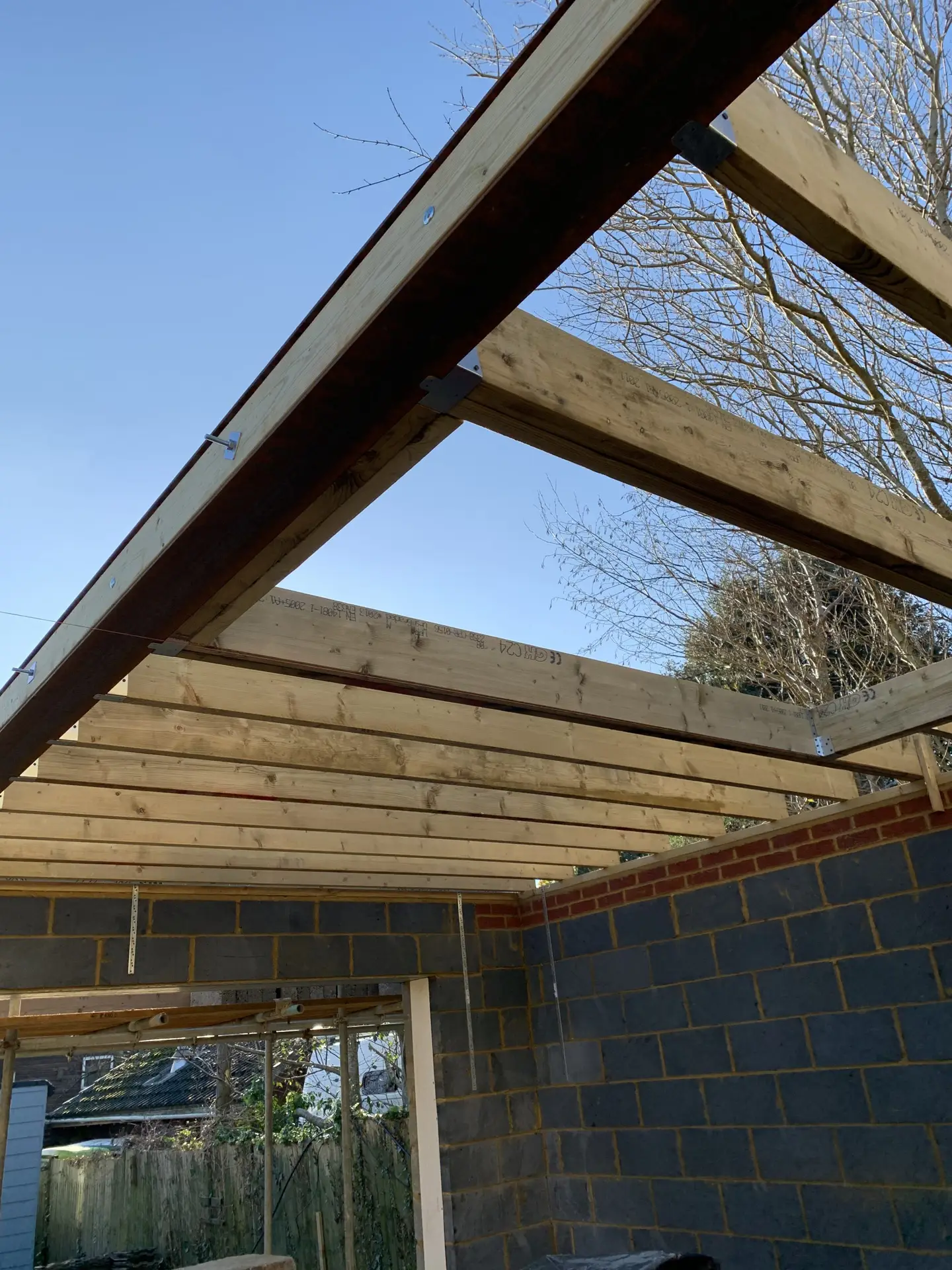
Step 6: Groundworks and build (March onwards)
With approvals in place, work can start as the weather improves. Foundations and drainage are the first and most important stage. As we explained in why your home extension depends on what’s under the surface, the clay soils found across much of the Weald need careful foundation design. Our groundworks team handles excavation, foundations and drainage in-house.
Can building work happen in winter?
Yes, a lot of work carries on through winter. But concrete, mortar and lime work need protection in cold weather, and very wet spells can slow groundworks down. Getting your approvals sorted over the winter means you can make the most of the better weather from spring, rather than waiting on paperwork just as the days get longer.
Frequently asked questions
How long does it take to get planning permission for an extension?
Councils aim to decide most householder applications within eight weeks of a valid submission. Add time for drawings beforehand and for any conditions afterwards.
Do I need planning permission for a single-storey extension?
Not always. Many can be built under permitted development, but limits apply and rights are reduced in conservation areas and for listed buildings. If you are unsure, check with your council or ask us.
When should I get quotes from builders?
Early. Good local builders often book up months ahead for spring, so getting on their schedule in autumn or early winter gives you the best choice of start dates.
Thinking about extending in 2027?
Fortify Construction manages extensions from groundworks to the finishing touches across Kent and East Sussex. Browse our gallery for inspiration, then contact Fortify Construction to book a site visit and secure a spring start date.