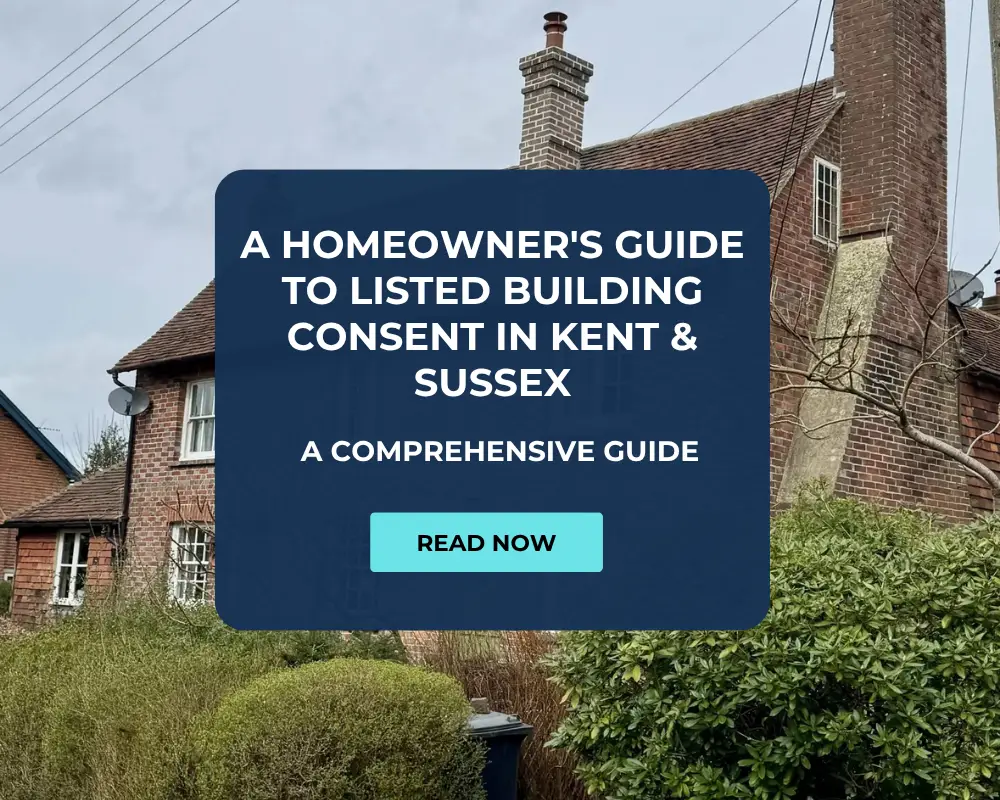
Owning a listed building across Kent and East Sussex is a unique and rewarding privilege. From timber-framed Tudor cottages in rural villages to elegant Georgian townhouses overlooking coastal towns, these historic structures carry centuries of architectural character, stories, and craftsmanship.
However, heritage properties also demand a special level of stewardship. While minor cosmetic wear : such as gentle surface weathering or fine, settled hairline cracks : is often part of a period home’s natural aging process, structural issues are a different matter entirely. When the framework or foundations of a historic building begin to fail, ignoring the warning signs can lead to escalating damage, complex listed building consent challenges, and costly emergency interventions.
Knowing when routine maintenance crosses into urgent structural repair is vital for every heritage homeowner. Here are five key signs that your listed property may need professional structural intervention.
1. Fresh, Diagonal, or Widening Cracks in Masonry and Plaster
All older buildings move over time. Ground shifts, seasonal temperature changes, and centuries of gentle settlement mean that many historic walls feature minor, stable cracks that have been painted over for generations.
However, not all cracks are harmless. You should treat masonry and plaster cracking with urgency if you notice:
- Fresh, sharp-edged cracks: If a crack lacks dust, dirt, or old paint inside the fissure, it is likely the result of recent, active movement.
- Diagonal or stepped patterns: Cracks that run diagonally up brickwork or follow the stepped lines of mortar joints around doors, windows, and property corners often indicate differential settlement or foundation stress.
- Rapidly widening gaps: If you notice that an existing crack is visibly opening further over a matter of weeks or months, it points to ongoing structural strain that requires prompt professional investigation.
Distinguishing between historic, dormant settlement and active structural movement requires an experienced eye. A specialist inspection can determine whether underpinning, tie rods, or targeted masonry stitching is necessary to stabilize the structure.
2. Sloping Floors, Sagging Beams, and Deflecting Frames
One of the most charming features of historic properties is their rustic interior geometry. Walking across a slightly undulating floorboard or ducking beneath a hand-hewn oak beam is part of everyday life in a centuries-old home.
Even so, timber frames can lose their load-bearing capacity due to moisture, overloading, or foundation movement. You should look out for sudden or excessive structural deflection, such as:
- Pronounced floor dips: While gentle unevenness is normal, floors that slope steeply towards one corner or dip noticeably around interior support walls can signal failing floor joists or weakened ground-floor plates.
- Sagging ceiling or floor beams: Main structural oak or elm beams should remain stable. If a beam shows a new or increasing downward bend (deflection), or if you notice separation where the beam meets the wall, the framing may be overloaded.
- Sticking doors and windows: If internal doors suddenly refuse to latch, rub heavily against their frames, or gaps appear around window casements, it often indicates that the surrounding structural frame is racking or shifting out of square.
Addressing timber distortion early prevents irreversible failure of primary structural timbers, ensuring the internal skeleton of your heritage home remains sound.
3. Persistent Damp and Moisture in Load-Bearing Walls
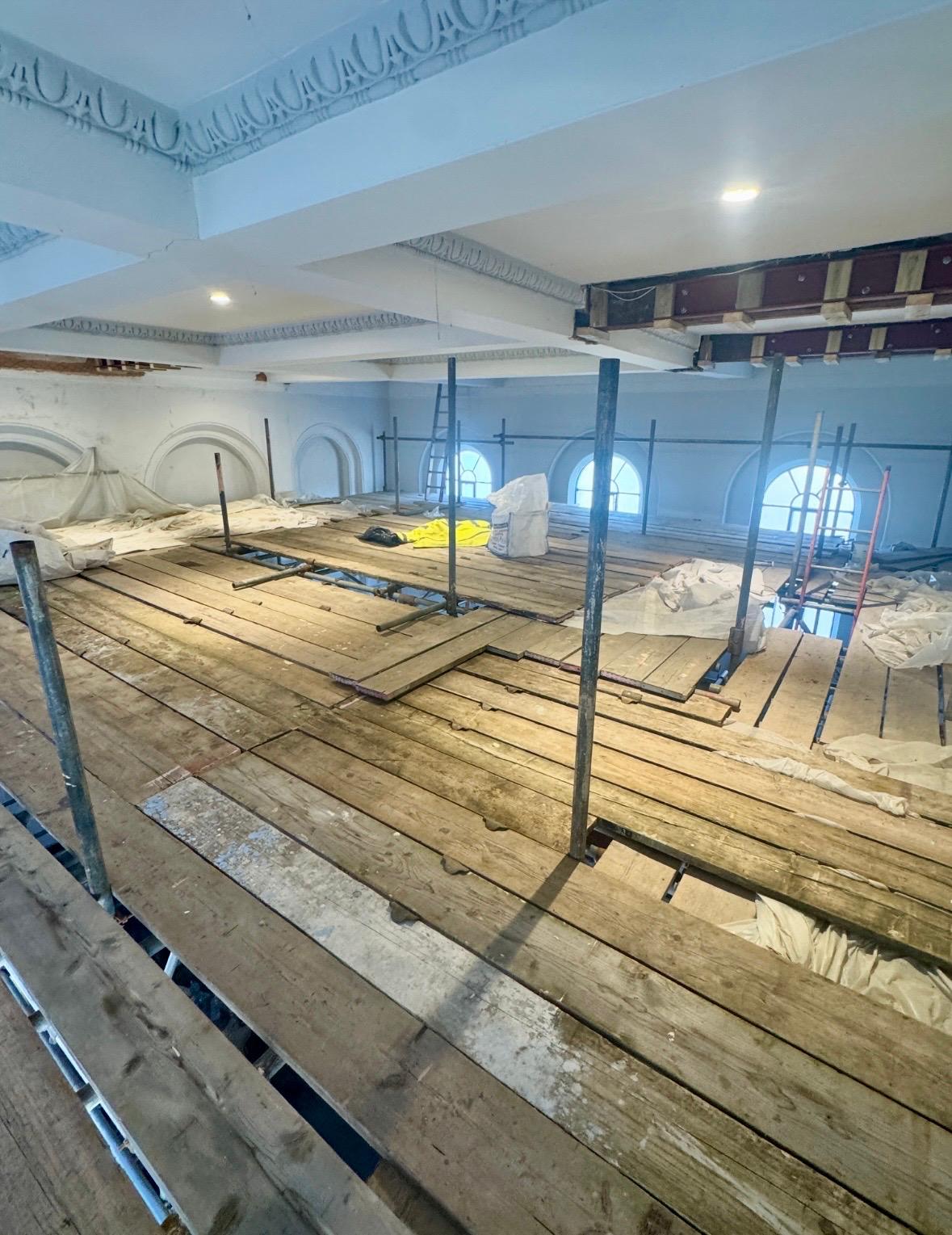
Damp is one of the most common issues reported in historic properties, but it is also one of the most misunderstood. Traditional buildings constructed with lime mortar and solid brick or stone were designed to “breathe” : absorbing moisture during wet weather and releasing it naturally through evaporation.
However, damp becomes a structural emergency when moisture compromises the integrity of load-bearing elements:
- Prolonged masonry saturation: Blocked gutters, defective downpipes, or damaged roof coverings that continually discharge water onto exterior walls will eventually saturate the bricks or stonework, washing out lime mortar and weakening the wall’s compressive strength.
- Rising damp meeting incompatible modern materials: If cement render, gypsum plaster, or waterproof sealants have been incorrectly applied in the past, moisture becomes trapped inside the wall. This leads to rapid degradation of internal masonry and structural framing.
- Salt efflorescence and internal breakdown: White powdery deposits (salts) crystallizing on internal walls, combined with crumbling plaster and rotting skirting boards, indicate continuous moisture ingress that threatens the stability of the lower wall structure.
Solving structural damp requires identifying the root source of moisture ingress and utilizing traditional, breathable materials to restore the building’s natural moisture balance.
4. Bowing, Leaning, or Bulging Exterior Walls
An exterior wall that no longer sits straight and plumb is one of the clearest and most serious indicators of structural distress.
Historic walls : particularly unreinforced brickwork, flint walls, or rubble-stone masonry : rely on thickness, sound mortar, and proper bonding to withstand lateral forces. When external walls begin to fail, you may notice:
- Out-of-plumb elevations: Standing back to view the profile of your property and noticing that the upper storeys lean outward or inward relative to the foundation.
- Bulging masonry panels: A localized outward bulge in a brick wall often suggests that internal wall ties have corroded, or that floor joists anchoring the wall have shifted or lost their connection.
- Leaning chimneys or unstable parapets: Tall brick chimneys exposed to high winds across Kent and East Sussex are particularly vulnerable to mortar erosion and weathering, leading to a dangerous lean or open mortar joints at the roofline.
Bowing or bulging walls carry an inherent risk of instability. Professional assessment, temporary shoring, and sensitive structural stabilization are essential to ensure the safety of residents and the public.
5. Rot and Insect Infestation in Load-Supporting Timbers
Beneath the plaster and behind the facade of many listed properties lies a hidden network of structural timber framing. When damp conditions persist or ventilation is restricted, timber elements become vulnerable to biological attack.
Critical timber warning signs include:
- Wet rot and dry rot: Fungal decay attacks damp timber, reducing solid oak or softwood beams to a spongy, brittle state. Dry rot (Serpula lacrymans) is particularly destructive, as its fungal strands can travel through masonry to attack structural timbers throughout the building.
- Wood-boring insect activity: While old flight holes from furniture beetles are common in historic wood, fresh wood dust (frass) or soft, crumbling timber surface layers indicate active infestation by deathwatch beetles or woodworms, which specifically target damp structural timbers.
- Crumbling support posts and sole plates: In timber-framed or timber-clad properties, the lowest horizontal timbers (sole plates) resting on foundations are most susceptible to moisture absorption and rot. If these fail, the entire wall frame above loses its primary support base.
Protecting your historic property requires regular inspection of roof spaces, cellars, and hidden junctions where timber meets masonry.
Protecting Your Heritage Property with Expert Care
Owning a listed building is an ongoing partnership with history. When structural warning signs appear, acting promptly with sympathetic, conservation-led repairs is the best way to safeguard your property’s value, character, and safety.
Because historic buildings require specialized techniques : such as traditional lime mortar repointing, timber frame stitching, and sensitive masonry consolidation : standard modern construction methods are rarely appropriate. Working with experienced professionals ensures that every repair respects the architectural heritage of your home while meeting all regulatory standards.
To learn more about how we can support your historic property, explore our dedicated Listed Building Services to see how our skilled craftsmen preserve and protect period homes across Kent and East Sussex.
If you have noticed any concerning cracks, damp, or structural movement in your historic property, contact us today for professional advice, expert surveys, and tailored conservation solutions designed to stand the test of time.