

Owning a historic home in Kent or East Sussex is an absolute privilege. From timber-framed Tudor cottages in Tenterden and Georgian townhouses in Tunbridge Wells to mellow brick farmhouses nestled in the Sussex countryside, our region boasts some of the most characterful architecture in the country. However, with that timeless charm comes a unique set of responsibilities.
If your property is protected by heritage status, navigating the rules around repairs and improvements can feel daunting. Chief among these regulations is Listed Building Consent (LBC). Whether you are planning essential maintenance or dreaming of a sympathetic home upgrade, understanding how consent works is the key to protecting your investment and preserving local history.
At Fortify Construction Ltd, we believe that maintaining a period home should be a rewarding partnership. In this guide, we break down everything you need to know about Listed Building Consent across Kent and East Sussex so you can approach your project with confidence.
What Exactly is Listed Building Consent?
Listed Building Consent is a specific type of statutory protection distinct from standard planning permission. While planning permission looks at how a building impacts its local environment and neighbours, Listed Building Consent exists solely to protect the special architectural or historic interest of the structure itself.
Under UK law, it is a criminal offence to execute works that affect the character of a listed building without first obtaining this consent. This applies to every part of the structure: inside and out: and even extends to certain outbuildings and boundary walls within the curtilage that pre-date 1948.
Why Every Detail Matters
Historic buildings are delicate archives of past craftsmanship. Every hand-hewn timber, traditional lime-mortared brick, and original window pane tells a story. The consent system ensures that any physical intervention respects these historic layers rather than erasing them.
When Do You Need Listed Building Consent?
One of the most common questions homeowners ask is: “Do I need permission to fix a leaky roof or repaint the hallway?”
The rule of thumb depends entirely on whether the work changes the building’s historic fabric or appearance. To help clarify, here is a quick side-by-side comparison of works that typically require consent versus those that may not:
| Works Requiring Listed Building Consent | Routine Maintenance (Often Exempt) |
|---|---|
| Structural Alterations: Removing or adding internal walls, creating new door or window openings. | Like-for-Like Repairs: Repairing a broken roof tile using an identical salvaged tile and traditional methods. |
| External Changes: Replacing windows, altering roof materials, adding secondary glazing, or installing visible flues and vents. | Internal Decorating: Repainting walls using breathable, heritage-friendly paints in existing colour schemes. |
| Extensions: Adding any new square footage or connecting modern additions to the historic footprint. | General Upkeep: Clearing gutters, servicing existing plumbing, and routine garden maintenance within the grounds. |
| Historic Fabric Removal: Stripping away lath and plaster, replacing historic floorboards, or altering antique fireplaces. | Minor Repairs to Non-Historic Elements: Fixing modern fittings that were added long after the building’s listing. |
Note: Even for routine maintenance, if you are ever in doubt, it is always wise to consult your local council’s conservation officer before picking up a tool.
The Application Process in Kent & East Sussex
Navigating the application process successfully comes down to preparation, patience, and professional guidance. Local planning authorities: whether you are dealing with Maidstone Borough Council, Tunbridge Wells, Rother District Council, or Lewes District: follow a standard national framework, but local nuances apply.
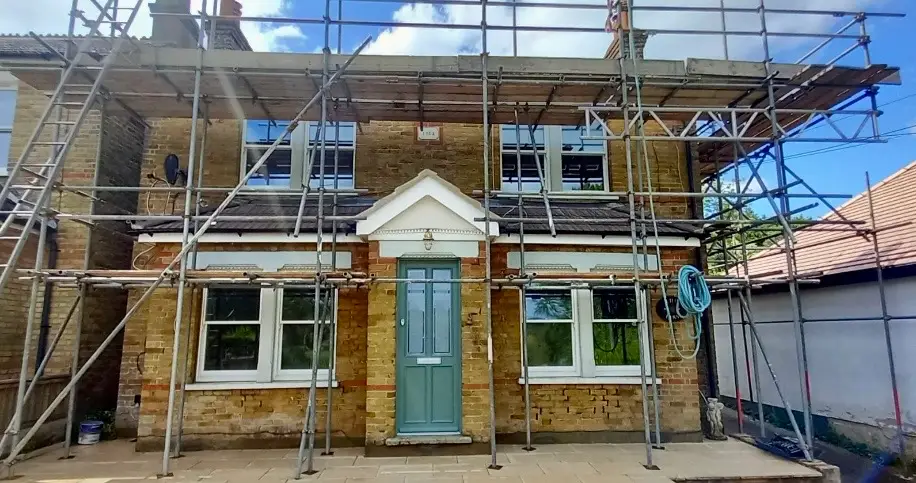
Step 1: Check Your Listing Grade
Before planning any changes, confirm your property’s specific listing grade (Grade I, Grade II*, or Grade II). Grade I buildings (representing properties of exceptional national interest) and Grade II* buildings undergo the most rigorous scrutiny, and local authorities are statutorily required to consult heritage bodies like Historic England on certain applications.
Step 2: Consult Early with Local Experts
Local conservation officers in Kent and Sussex are invaluable allies. Many local authorities offer pre-application advice services. Engaging early allows you to discuss your ideas, understand local design preferences, and iron out potential hurdles before formal submission.
Step 3: Prepare a Comprehensive Heritage Statement
Every application for Listed Building Consent must be accompanied by a Heritage Statement. This document explains:
- The historical significance and architectural evolution of your property.
- How your proposed works will impact that significance.
- Why the changes are necessary and how they respect traditional craftsmanship.
Step 4: Submit Your Combined Application
In many cases: particularly if your project involves an extension or external alteration: you will need both Listed Building Consent and standard planning permission. These can be submitted simultaneously online via the national Planning Portal or directly through your local council’s planning portal.
Local authorities typically have an 8-week statutory window to determine applications, which includes a 21-day public consultation period.
Choosing the Right Materials: Respecting Heritage Craftsmanship
When consent is granted, it almost always comes with conditions attached regarding the exact materials and techniques you must use. Modern cement, gypsum plaster, and plastic-based masonry paints can trap moisture in historic walls, leading to rapid timber decay, damp, and structural failure.
That is why traditional materials are non-negotiable for period properties:
- Lime Mortar: Unlike rigid modern cement, breathable lime mortar allows moisture to evaporate naturally, protecting antique brick and stonework.
- Breathable Paints & Renders: Mineral and silicate paints allow historic masonry to “breathe,” preventing trapped condensation.
- Seasoned Timber: Matching repairs to original oak or softwood framing preserves the structural load-bearing balance of the building.
To explore how our specialists protect period architecture using these time-honoured techniques, visit our dedicated Listed Building Services page.
Modern Amenities in Historic Homes: Can You Have Both?
Many homeowners worry that living in a listed building means sacrificing modern comfort. The good news is that modern amenities: such as energy-efficient heating, updated kitchens, and discreet secondary glazing: can almost always be introduced sensitively.
The secret lies in reversibility and integration. Conservation officers are generally supportive of upgrades that improve your quality of life, provided they do not permanently damage or obscure historic fabric. For instance, running new heating pipes through existing floor voids rather than cutting through historic timber beams ensures modern luxury coexists peacefully with ancient charm.
Partnering with Professionals Who Understand Heritage
Restoring and altering a listed building requires a delicate balance of architectural sensitivity, technical expertise, and regulatory know-how. Working with experienced builders who specialize in heritage properties removes the guesswork and ensures your project sails smoothly from initial survey to final sign-off.
Whether you are planning essential structural repairs, delicate masonry restoration, or a sensitive interior transformation across Kent or East Sussex, having a knowledgeable team by your side makes all the difference.
Ready to Care for Your Heritage Home?
If you own a listed property and want expert advice on navigating consent, planning your repairs, or undertaking a sensitive renovation, we are here to help. Contact Fortify Construction today to discuss your project and discover how we can help you safeguard your property’s remarkable history for generations to come.


