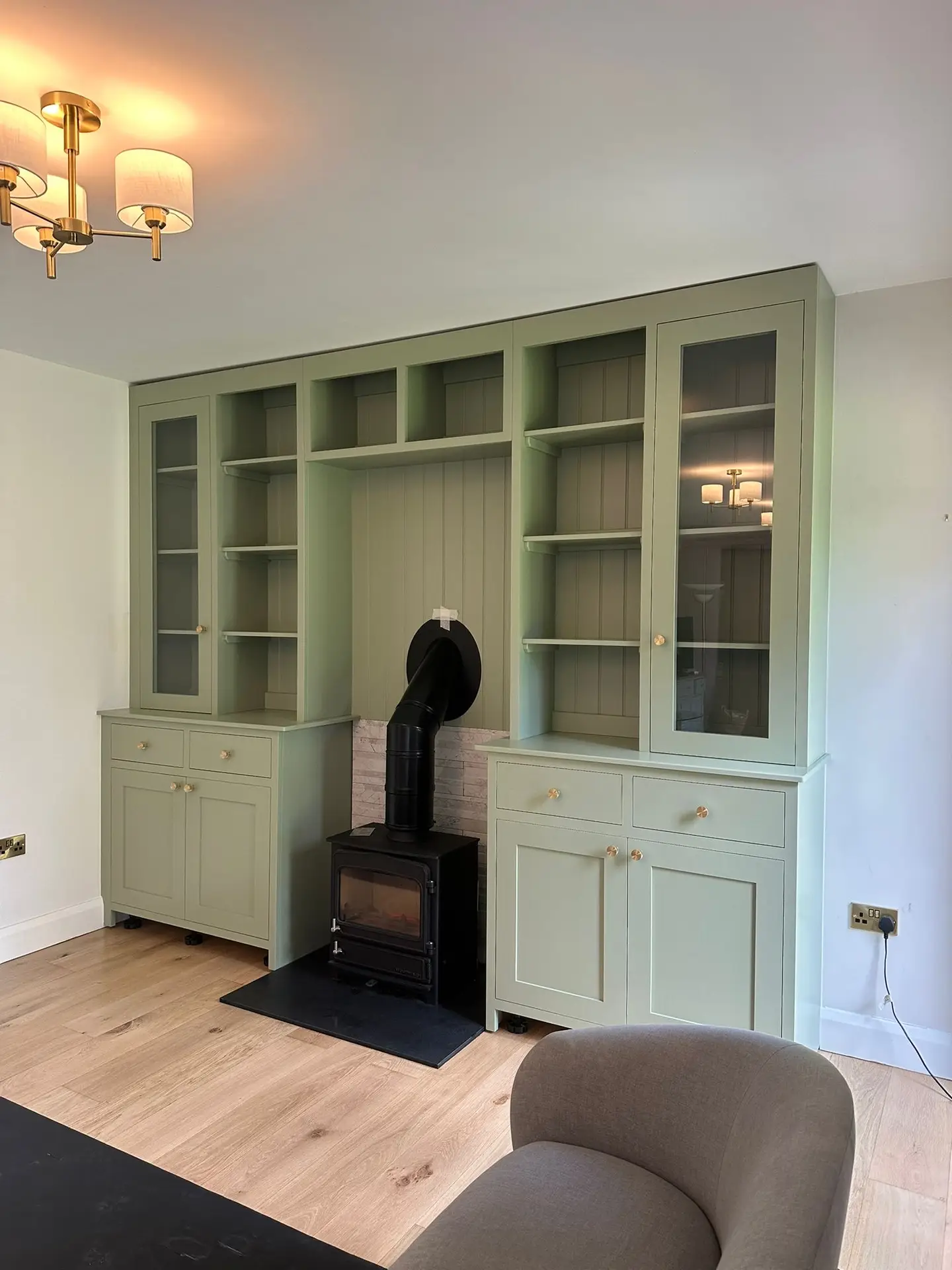
Joinery repairs are often the quickest way to make an older home feel warmer in winter. Original timber doors, windows, frames and skirting give period properties across Kent and East Sussex much of their charm, but years of weather, paint build-up and movement can leave them draughty, sticking or starting to rot. The good news is that a skilled joiner can repair most traditional joinery, rather than ripping it out and replacing it.
Here is how to spot the problems, what you can do about them, and why repair is usually the better choice for a period home.
Common problems that need joinery repairs
- Gaps around doors and windows letting in cold draughts
- Doors that stick or swell in damp weather
- Soft, spongy timber at the bottom of frames, sills and door rails
- Flaking paint with dark, damp wood underneath
- Rattling sashes or casements that no longer close tightly
- Gaps between skirting, floorboards and walls
Wet weather makes most of these problems worse. Timber takes on moisture in winter, so doors swell, joints open up and any rot already present can spread more quickly.
Joinery repairs or replacement?
It is tempting to swap old doors and windows for new ones, but joiners often made original doors and windows from slow-grown, dense timber, far better quality than much of the timber you can buy today. In many cases, only a small part of a frame or sill has rotted. Cutting out the decayed section and splicing in new timber keeps the rest of the original and costs less than full replacement.
For listed buildings and homes in conservation areas, repair is usually the expected approach. Replacing original windows or doors on a listed property is likely to need consent. You can read more in our homeowner’s guide to listed building consent. Historic England’s guidance on traditional windows sets out how to care for, repair and upgrade them sympathetically.
What sympathetic joinery repairs involve
Splice repairs
We cut out rotten sections of frames, sills and rails and replace them with new, well-seasoned timber, jointed and glued to the original. Once we paint it, the repair is almost invisible.
Easing and re-hanging
We plane, re-hang or adjust sticking doors and windows so they close properly. This alone can make a big difference to draughts.
Draught-proofing
We can fit discreet draught seals into the frames of traditional doors and windows, cutting heat loss without changing how they look.
Making new to match
Where a piece is beyond repair, our joiners can make a new door, sash, moulding or skirting to match the original profile, so it fits in with the rest of the house.
Don’t forget the walls around the joinery
Rot in timber is often a sign of damp in the walls around it. Failed pointing, blocked gutters or hard cement render can all push moisture into frames and lintels. It is worth checking the masonry at the same time, so the problem does not come back. Our articles on damp in listed buildings and heating a listed building without damaging it explain how moisture and heat affect older homes in winter.
Frequently asked questions
Can you repair rotten window sills?
Often, yes. If the rot only affects part of the sill, a joiner can cut out the decayed section and splice in a new piece of timber.
Is it worth repairing old doors?
Usually. Original doors often use better timber than modern replacements, and repairing them keeps the character of the property.
Can joinery repairs be done in winter?
Yes. We carry out most repairs quickly, and we keep openings secure and weathertight while we work.
Need a joiner for your period home?
Fortify Construction’s carpenters and joiners work on new and heritage properties across Kent and East Sussex. Find out more about our carpentry and joinery services and listed building services, browse our gallery, or contact Fortify Construction to arrange a visit.